Customer Experience
Your 2025 Support Roadmap: Balancing Technology and Empathy
7 minute read
When I started in Customer Experience back in 2010, support was largely transactional. Teams focused on responding to issues as quickly as possible, with little thought given to the broader customer journey or how support could drive growth. Fast forward to today, and the game has changed entirely. Support is now a strategic function - a key driver of retention, expansion, and overall customer satisfaction.
As we approach 2025, customers no longer tolerate inefficiencies. They demand speed, accuracy, and personalization. For support leaders, staying ahead means finding the right balance between human touch and automation - driving efficiency without sacrificing the experience.
The Changing Dynamics of Support: Customers expect faster resolutions, seamless interactions, and minimal effort. I've seen this firsthand. While consulting for a B2C company, implementing proactive support interventions based on behavior patterns increased customer satisfaction scores by 40% while reducing support requests. At a B2B SaaS company, moving from outdated ticketing systems to an omnichannel strategy with integrated messaging reduced resolution times by 60%.
Over-Digitalization is Real: I've seen the pitfalls of excessive digital transformation up close. Companies that completely eliminated human touchpoints saw significant drops in customer loyalty. Digital tools should enhance human connections, not replace them. Some customers still prefer voice calls for complex issues - forcing them into digital-only channels damages relationships.
Key Strategies for 2025:
Real-Time Knowledge Management. Stale knowledge bases frustrate both customers and agents. Dynamic systems that analyze tickets in real-time and suggest updates reduce escalations and increase first-contact resolution rates.
AI That Understands Context. Automation only works if it feels natural. AI tools must analyze customer context - not just keywords. Chatbots that learn from past interactions and adjust accordingly create a seamless, personalized experience.
Blended Support Models. Automation is excellent for repetitive tasks - resetting passwords, answering FAQs. But high-value interactions require human agents. A blended model ensures customers get efficiency and empathy where each matters most.
Proactive Support Systems. The best teams don't just react - they anticipate. Analyzing trends and flagging recurring issues before they become problems builds trust and loyalty.
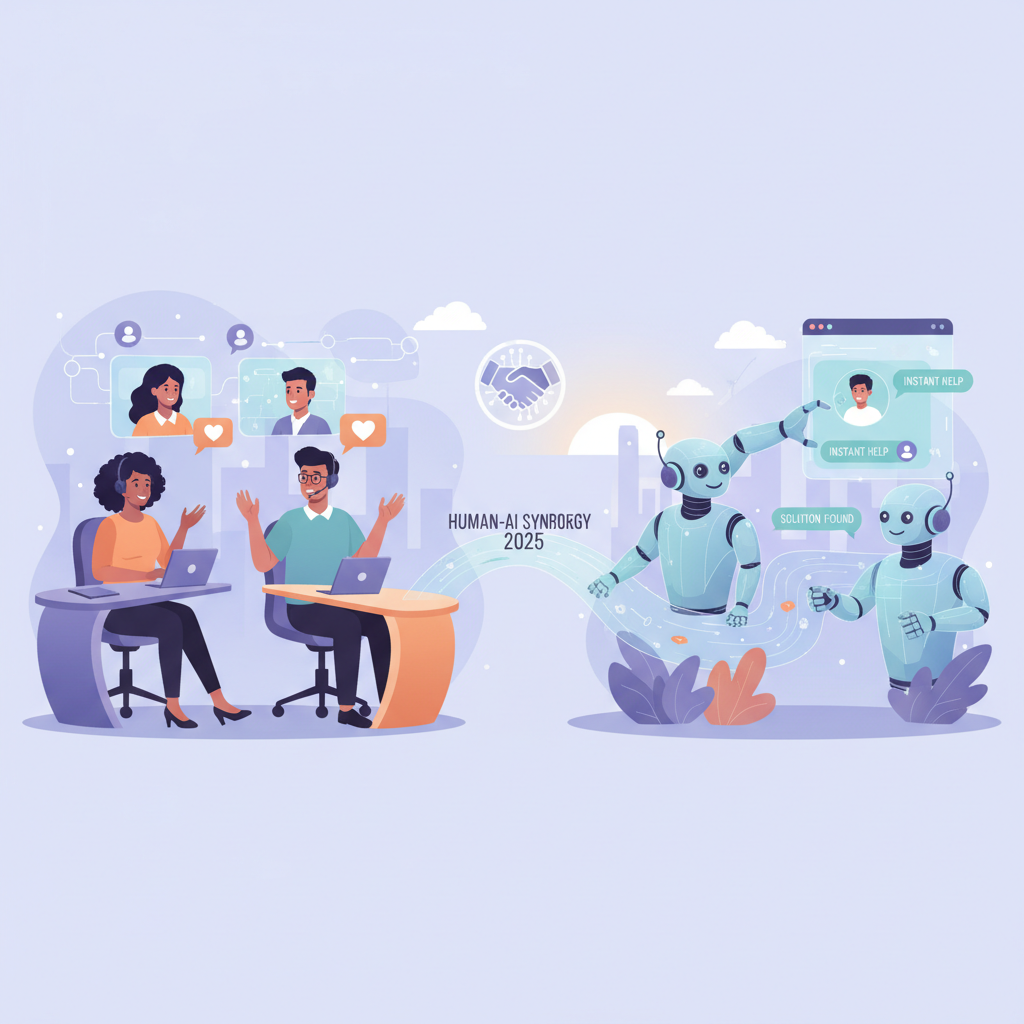
The future of support isn't human vs. machine. It's human and machine, each doing what they do best.
Tags
customer supportAIautomationCX strategy2025